
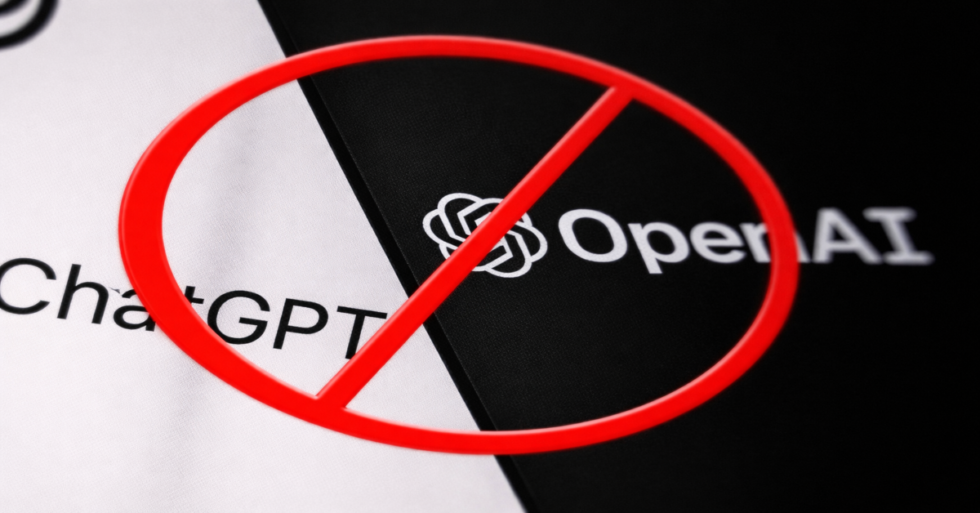
WhatsApp is tightening its rules around AI, and starting January 15, 2026, the platform will block all third-party AI chatbots including ChatGPT and Microsoft Copilot. This follows WhatsApp’s updated Business API terms, which now explicitly prohibit “general-purpose chatbots” from operating on the platform. According to Meta, the API was built for businesses to communicate with customers—not to host large AI assistants serving billions of queries. This update aligns with Meta’s broader policy shift reported earlier, where it began restricting external AI models on WhatsApp.
Meta confirmed that this change won’t affect businesses using AI strictly for customer support. Travel companies, retailers, or brands running approved WhatsApp bots can continue operating as long as they don’t function like open-ended assistants. However, AI providers like OpenAI, Perplexity, Luzia, and Poke will no longer be allowed to distribute their chatbots on WhatsApp.
The move comes after a surge of AI bots launched on WhatsApp last year, including ChatGPT and Perplexity’s assistant, which could answer queries, interpret media, reply to voice notes, and generate images. Meta says these use cases created unanticipated strain on WhatsApp’s infrastructure and did not fit the original business-focused design of the API. The company also couldn’t monetize these bots, since the Business API charges per message template—something not built for AI agents.
What users can expect next:
WhatsApp is expected to launch official AI partners, stricter bot-verification badges, clearer automation disclosure, and improved privacy controls. Users may also see native WhatsApp AI features, safer business chatbots, and a more transparent governance framework for automated interactions across the app.
Users of ChatGPT on WhatsApp will still be able to migrate their chat history before removal, but Copilot users will not have a transfer option. Ultimately, the policy shift ensures that Meta AI becomes the only assistant available on WhatsApp, reinforcing Meta’s push to make business messaging its next major revenue pillar.