
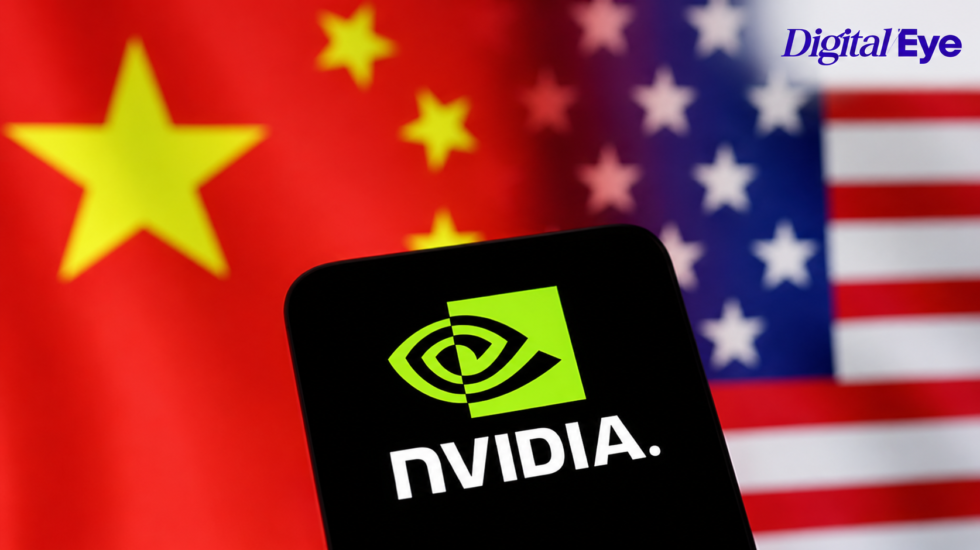
Nvidia AI chip sales to China are facing renewed scrutiny from the United States after Treasury Secretary Scott Bessent said officials want answers about the chipmaker’s export-control compliance. Speaking on November 22, 2026, Bessent said the administration had contacted Nvidia’s interim leadership, directors and lawyers and wanted to establish who was responsible for compliance decisions. The remarks add pressure to the company following the resignation of its longtime chief executive, Jensen Huang, and a new round of restrictions on access to advanced US computing technology.
Why Nvidia AI Chip Sales to China Are Under Scrutiny
In an appearance on CBS’s Face the Nation, Bessent said US officials were seeking information about Nvidia’s sales and the culture surrounding compliance. He questioned which management levels knew about potential problems, from lower-level staff to senior executives. Those questions do not themselves establish that prohibited exports occurred or that any particular employee violated the law.
The inquiry comes amid reports concerning Huang’s personal relationships and potential security implications that have prompted investigations and corporate review. Huang has stepped down as chief executive. Nvidia’s board is examining the circumstances, while interim management is dealing with the questions from officials. The underlying allegations should be distinguished from verified findings, and the Treasury Secretary did not announce a completed enforcement case.
US Lawmakers Seek Nvidia and Commerce Briefings
Congressional oversight had already intensified. On November 18, House Energy and Commerce Committee Chairman Brett Guthrie requested briefings from Nvidia and the US Department of Commerce about Megaspeed, a Singapore-based computing business, and national security concerns raised in reports involving the former chief executive. The committee’s public statement said it wanted to understand the strength of Nvidia’s security controls and compliance with technology export rules.
The House committee requested briefings no later than December 2, 2026. The requests are part of an oversight process rather than evidence of a concluded violation. They create a near-term deadline for the company and regulators to explain how restricted semiconductor sales and related services have been monitored.
New US Rule Targets Remote Access to Advanced Chips
The compliance questions arrive as Washington broadens the scope of its semiconductor controls. A Commerce Department interim final rule that took effect on November 19 addresses overseas data centers providing substantial remote access to advanced computing power for entities based in specified countries of concern. It also establishes licensing requirements for certain advanced chip shipments to locations such as Singapore, Malaysia, Indonesia, Thailand and Brazil, with defined exceptions and reporting conditions.
The rule reflects concern that a company could gain access to powerful AI computing systems without directly receiving restricted chips. Cloud infrastructure and intermediary data centers can provide remote computing capacity across borders. For chip manufacturers, the policy increases the importance of understanding not just the immediate buyer, but also relevant ownership, end users and the ultimate purpose of the computing resources.
Why Compliance Oversight Matters to Nvidia
Nvidia sits at the center of the global market for advanced AI processors. Its products are central to training and running large models, making export rules a significant commercial and policy issue. Sales through distributors, data center operators and other intermediaries can create a more complex chain of responsibility than a direct shipment to one customer.
Bessent’s latest comments place that chain of oversight under a spotlight at a sensitive time for Nvidia’s leadership. The company’s board chairman, Harvey Jones, has said the board will not rehire Huang, according to the November 22 report. A decision on leadership is separate from any determination about past export compliance, which remains subject to inquiry.
What Happens Next
The next concrete milestone is the December 2 deadline requested by the House committee for briefings from Nvidia and Commerce officials. Investigators and regulators may also seek documentation about export licenses, customer due diligence and the responsibilities of senior managers. Whether any enforcement action follows remains unknown. Nvidia’s response, the scope of official findings and the practical effect of the new remote-computing rule will determine what happens next.