
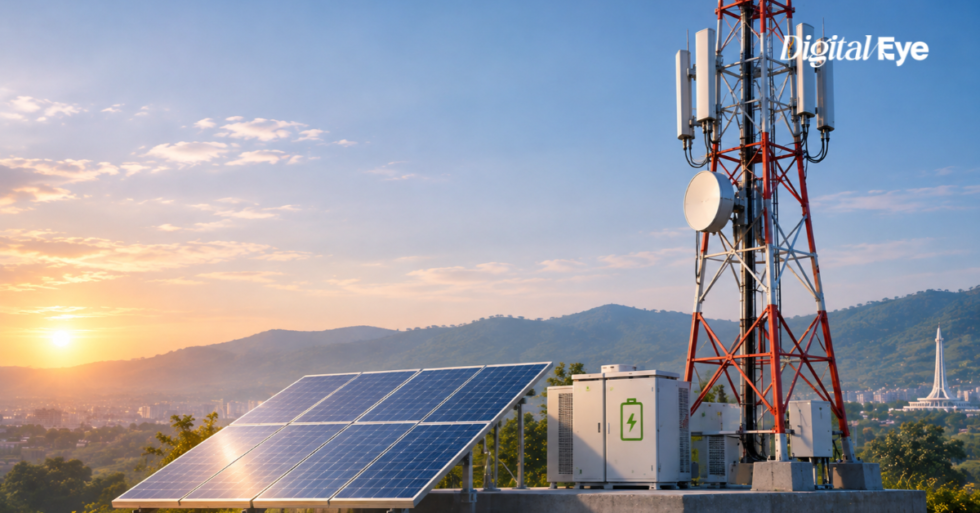
The Pakistan Telecommunication Authority (PTA) is considering a phased transition to solar power, batteries and hybrid energy systems for mobile telecom towers that face frequent electricity outages. The PTA solar-powered telecom towers consultation asks operators and infrastructure providers to suggest investment plans and practical alternatives to diesel generators. Feedback is due by December 7, 2026. The authority has not ordered a nationwide conversion or finalized mandatory solar requirements for every telecom site.
PTA Solar-Powered Telecom Towers Plan Seeks Industry Feedback
The proposed roadmap focuses on Base Transceiver Stations, or BTS sites, which keep mobile networks operating. Telecom towers need continuous power to carry calls and transmit data, even when the electricity grid fails. Many locations use a mixture of grid electricity, backup batteries and diesel generators. The regulator wants operators to identify where unreliable electricity threatens network availability and which combinations of alternative energy would work at those locations.
Instead of setting a single conversion deadline for all towers, the PTA is asking operators to present time-bound plans. Those plans could use one-, two- or three-year implementation periods, with investments and technologies assessed for each site. Solar panels alone may not sustain a tower at night or during extended bad weather, so the consultation explicitly recognizes the continuing importance of storage and backup arrangements.
High-Outage Sites May Face Stronger Solar Requirements
One of the key questions is whether sites experiencing electricity outages equivalent to 5% or more of a month should be classified as high-outage locations. The PTA is seeking feedback on whether renewable energy systems should become mandatory at those locations. This is a proposal for consultation, not a rule already imposed on telecom companies. The definition, measurement method and final consequences will depend on the regulator’s later decisions.
The authority also wants the industry to propose reductions in diesel use at the 10% of BTS sites that consume the most fuel. Operators would need to indicate current fuel consumption, planned savings and realistic timelines. Such figures could help regulators identify the places where energy changes might produce the biggest reduction in operating costs and fuel dependence.
Solar, Battery and Hybrid Solutions Under Consideration
The technology options described in the consultation include solar with batteries, or systems combining solar generation, batteries and diesel backup. A site on a reliable grid may need a different configuration from a remote location where electricity is interrupted regularly. The PTA has acknowledged that uniform requirements may be impractical because power availability, site design, investment costs and network demands vary across the country.
Another proposal is to explore shared energy infrastructure at towers used by several network operators. Shared panels, storage and energy-management equipment could reduce duplication, although any arrangement would need clear operational responsibility. The consultation also discusses possible regulatory support and recognition for operators that demonstrate improvements in renewable energy use or efficiency.
Why the Regulator Wants Site-Level Outage Data
The PTA is seeking data about outages, accumulated downtime, existing backup equipment, diesel consumption and proposed alternatives. Operators may also report aggregated information at union council, tehsil, district and national levels. That evidence could allow the authority to distinguish a tower with occasional short interruptions from one repeatedly losing service because of unreliable power. A baseline is necessary before setting credible deployment targets.
The proposed approach also calls for coordination with energy regulators, power distribution companies and other public agencies to improve grid reliability. Moving to renewables cannot replace the need for stable electricity connections or adequate battery capacity. The immediate goal is to design a more reliable and commercially realistic network-power roadmap rather than announce an overnight replacement of diesel generation.
What This Means
The December 7 consultation deadline is the next confirmed step. Mobile operators, tower companies, energy providers and equipment manufacturers can submit views before the PTA decides whether to adopt binding requirements. For consumers, the potential benefit is fewer service interruptions at weak-grid sites. For telecom operators, the tradeoffs involve upfront investment, backup reliability and future fuel savings. None of those outcomes is guaranteed until plans are tested and implemented.